
Category: Business Loans
-

The FLA has raised concerns about loan stacking. Understand why payment dates, existing commitments and contract terms matter when reviewing additional finance.
-

The IoD’s post-Budget poll shows weaker investment intentions. We explain what the findings establish and how plans differ from existing cash commitments.
-

The Budget proposes a higher first-year allowance and a lower writing-down rate. Understand the dates, tax deductions and equipment-payment questions.
-

The Budget’s e-invoicing roadmap sets out preparation for April 2029. Understand the timetable, structured data and the distinction between processing and payment.
-

October’s CBI survey points to a less widespread retail decline. For suppliers, confirmed orders, invoice dates and customer receipts still tell different stories.
-

Tariff extensions can preserve existing relief on eligible imports. Understand what changes, what remains payable and why customer-payment timing still matters.
-

Higher purchase prices can increase the cash needed for the same orders. Separate the size of a working-capital gap from payment delays and invoice eligibility.
-

September’s company-insolvency figures fell in England and Wales. We explain why delayed receipts, customer concentration and non-payment risk remain separate questions.
-
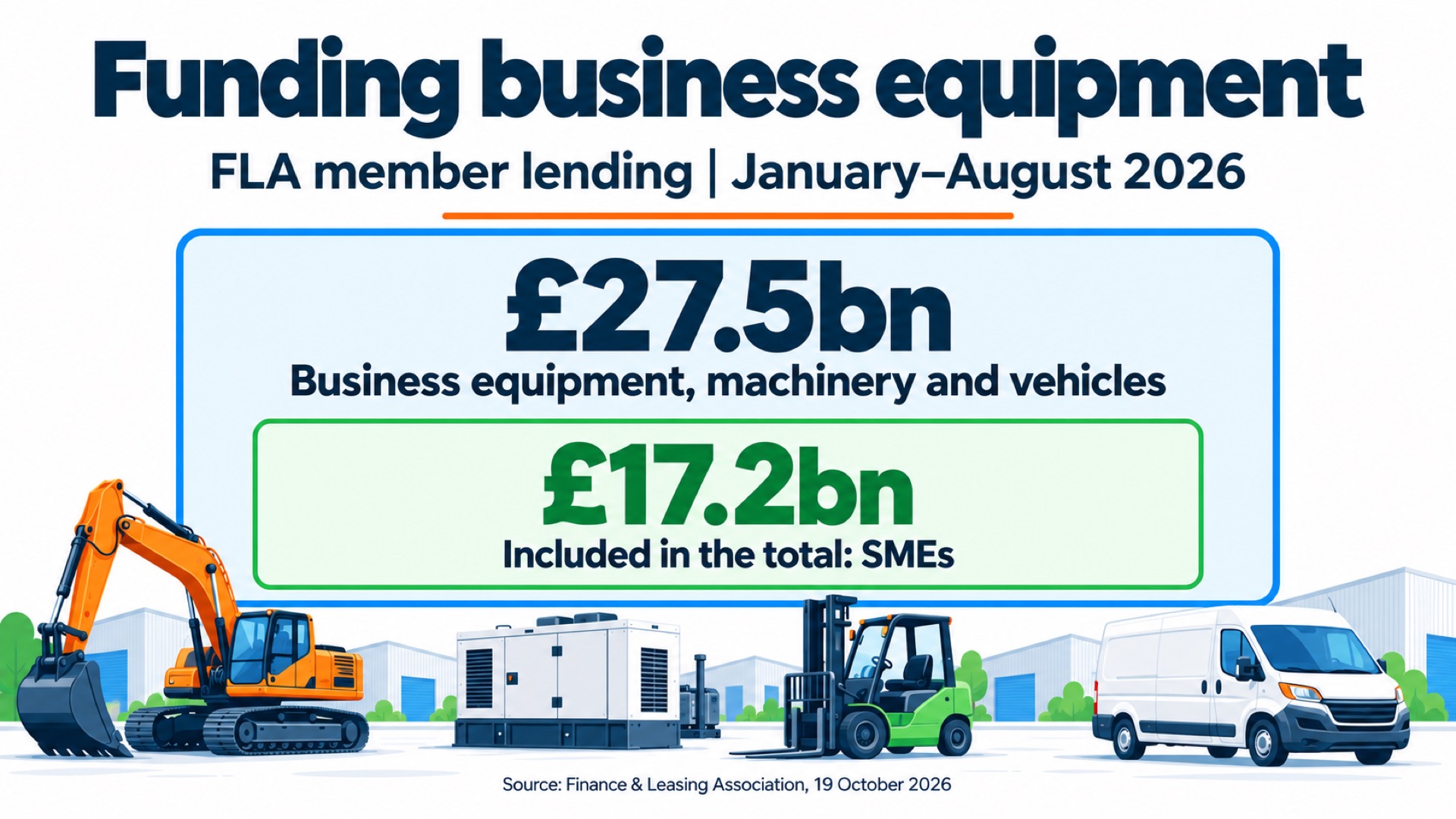
New FLA figures put equipment funding in focus. We explain why deposits, payment timing, ownership and operating cash needs belong in the same review.
-

Make invoice finance quotes quicker and easier to compare with one checklist for funding, costs and terms, plus focused questions to resolve missing details.