
Tag: asset finance
-

New FLA figures show growth in equipment-finance lending. We explain what SMEs can infer, what remains unknown and how to make a funding enquiry specific.
-

Wages, supplier bills and stock can need paying before customers settle. Identify the cause, timing and repayment source before comparing business finance.
-

A Bank Rate rise can affect business borrowing, but contracts determine which charges move and when. Understand the checks for loans, invoice finance and equipment funding.
-

The Budget proposes a higher first-year allowance and a lower writing-down rate. Understand the dates, tax deductions and equipment-payment questions.
-
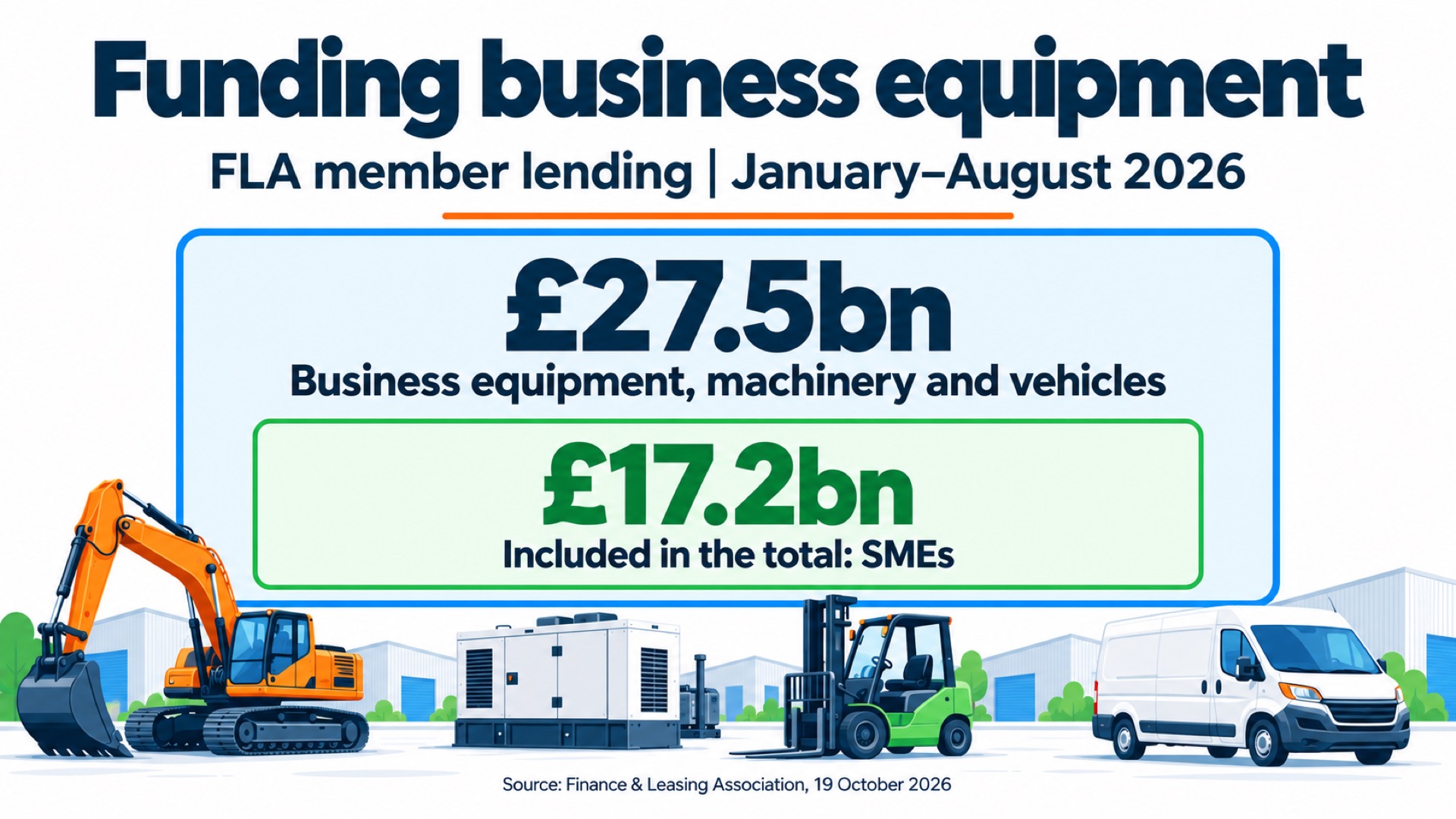
New FLA figures put equipment funding in focus. We explain why deposits, payment timing, ownership and operating cash needs belong in the same review.
-

ONS estimates UK GDP grew by 0.1% in August 2026 and 0.7% over three months. Production rose during the month, services were flat and construction fell, pointing to uneven business conditions.
-
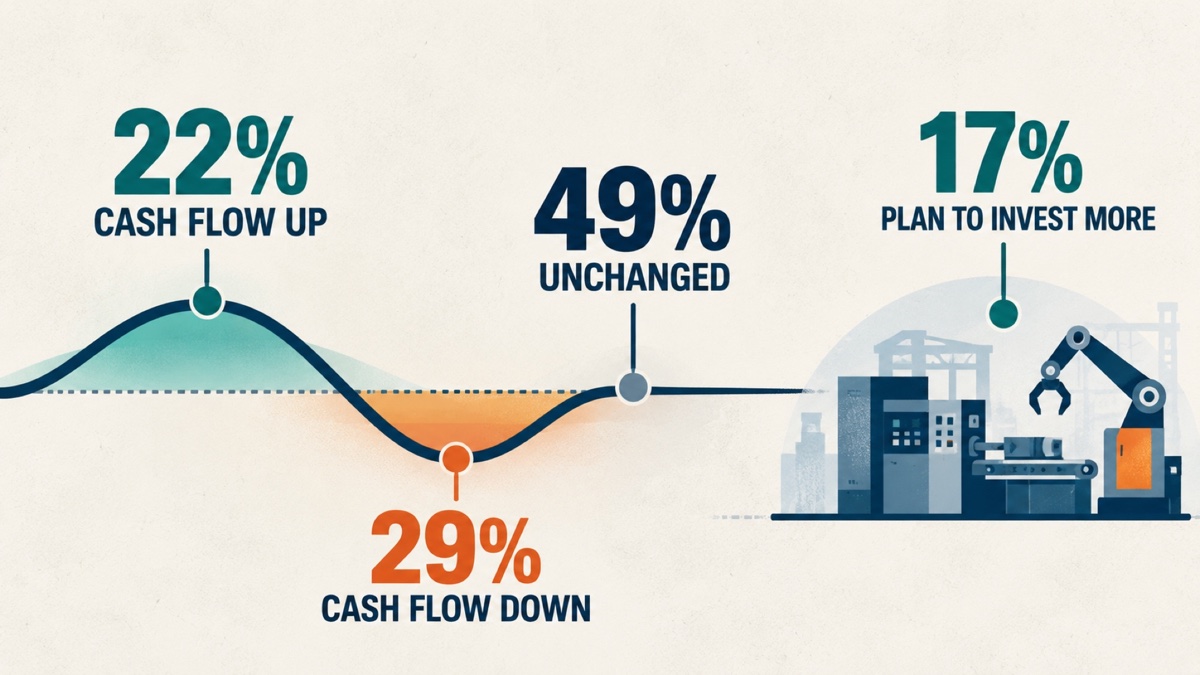
UK business surveys show cash flow remained negative overall among respondents while lenders reported reduced credit availability for small and medium-sized firms in Q3 2026.
-

ONS data shows UK business concern about energy and fuel prices reached the highest levels recorded in the current survey series. We examine what the figures do—and do not—mean for working-capital planning.
-

The Bank of England says UK credit supply exceeds demand, but lenders still prefer larger clients. We examine what this means for invoice discounting, asset finance and SME borrowing choices.
-

The Bank of England held Bank Rate at 3.75% in September 2026. We examine what the decision could mean for business loans, invoice finance, asset finance and SME cash-flow planning.